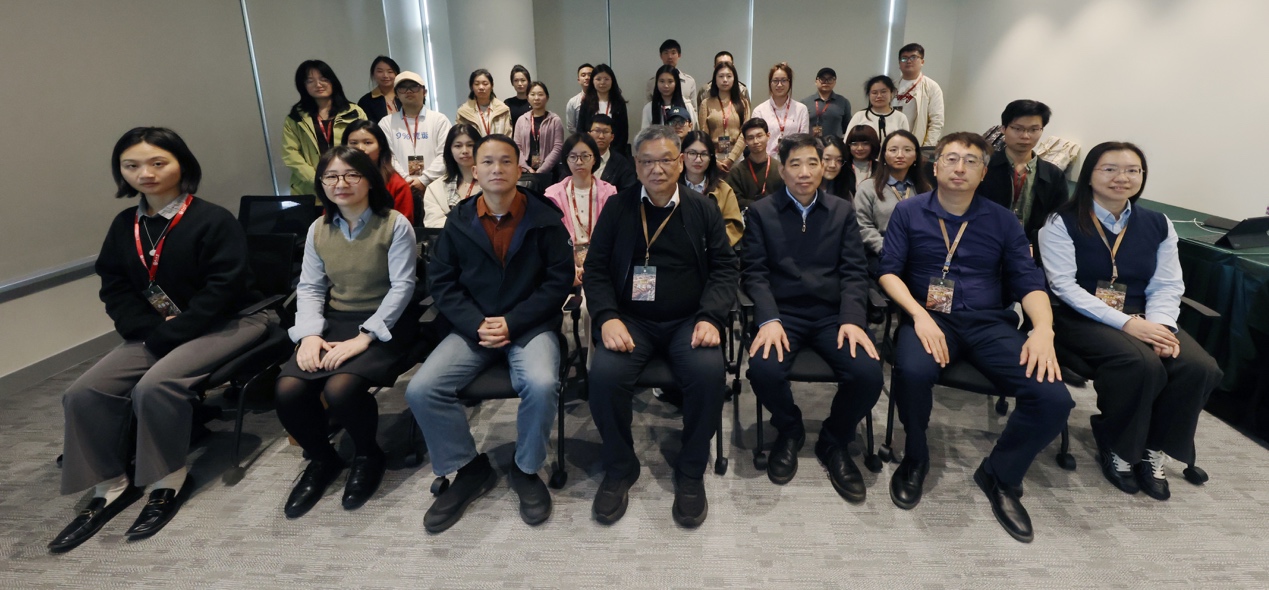
Promoting Talent Development and Cultural Integration in the Greater Bay Area: The Third Sun Yat-sen University Interdisciplinary Winter School on Environmental History Opens in Hong Kong
From January 4 to 8, 2026,“Science and Humanities in Ecology: the Third Winter School on Environmental History” was successfully held at Sun Yat-sen University Institute of Advanced Studies Hong Kong (SYSUIASHK) and the Shenzhen campus.For the first time, the Winter School took place at SYSUIASHK. Under the theme“Mountains, Islands, and Seas of the Greater Bay Area”, the program built an interdisciplinary and cross-regional academic exchange platform through multidimensional scholarly dialogue and field-based exploration, injecting new vitality into talent cultivation and academic innovation in the Guangdong–Hong Kong–Macao Greater Bay Area.
The Winter School was organized by the Department of History of Sun Yat-sen University and co-organized by SYSUIASHK,the Department of Chinese and History ofCity University of Hong Kong, and the Institute of Entrepreneur & Ecology, Shenzhen (SEE Institute).Master and doctoral students from more than ten universities worldwide—including Peking University, Tsinghua University, University of Munich, and McGill University—participated in the program. Ms. Tan Jingyi, representative of the UNESCO Regional Office for Eastern Africa, attended the entire program as an observer.
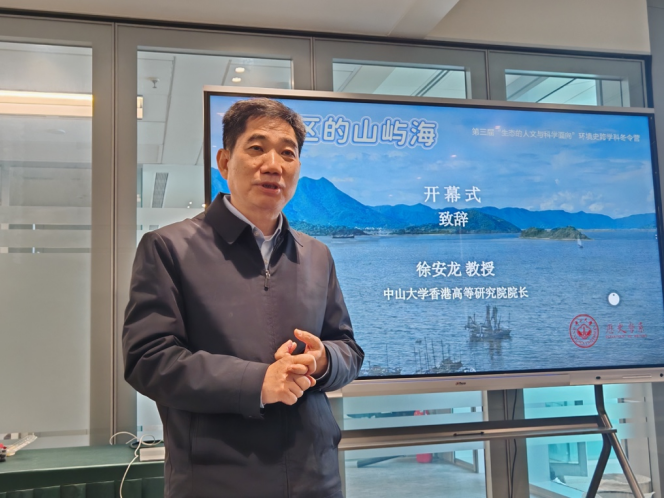
At the opening ceremony, Dean Xu Anlong of SYSUIASHKemphasized that interdisciplinary integration serves as a core driving force of academic innovation. He noted that scholars in the humanities and social sciences and natural scientists should learn from one another to enhance their comprehensive academic capacities.Dean Xu stated that, leveraging its geographical advantages and unique resources, SYSUIASHK provides a platform for global young scholars to engage in dialogue. The hosting of this Winter School represents an important initiative by the Institute to promote interdisciplinary development in the humanities and social sciences and to contribute to building a talent hub in the Greater Bay Area.
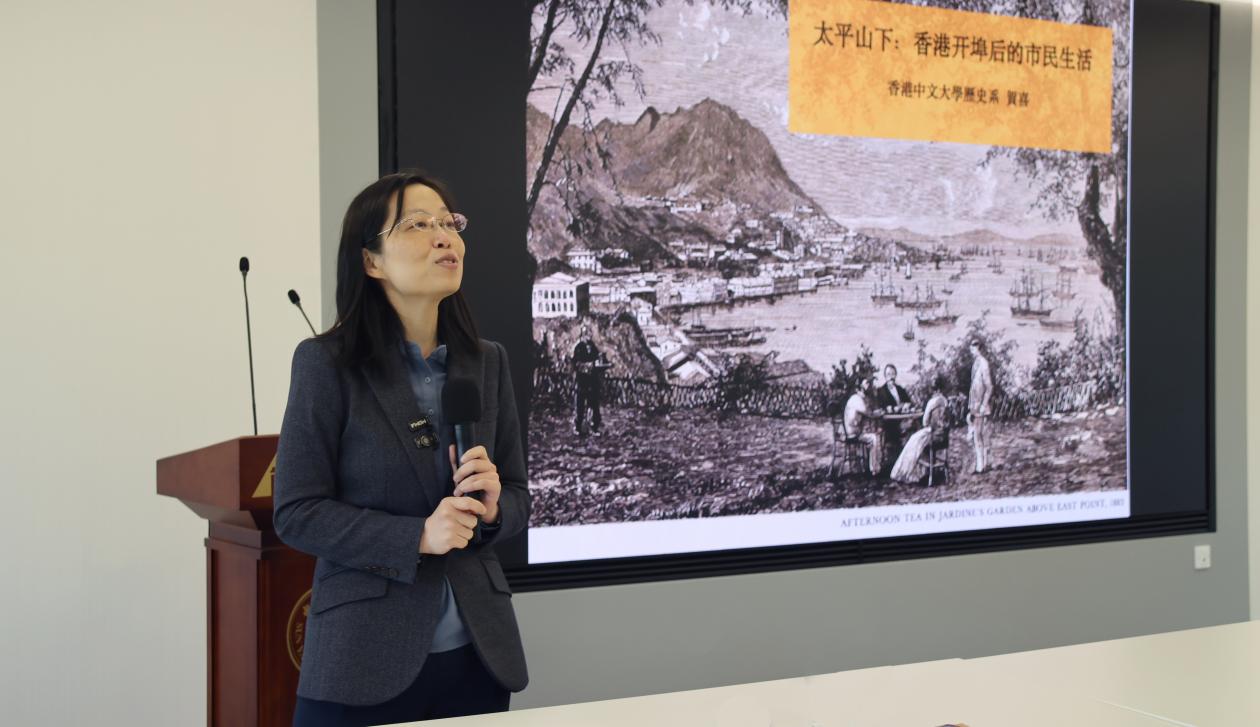
During the keynote session, leading scholars delivered in-depth academic presentations.
Professor May Bo Chingfrom City University of Hong Kong presented a lecture titled The Circulation of Turtle Soup: From the Caribbean through Europe to Provincial Guangzhou and Its American Aftermath. Using the micro-history of “turtle soup”, she traced the global circulation of culinary culture and revealed how species and recipes moved through colonial trade networks, exposing issues of social hierarchy and cultural perception embedded within these exchanges.
Professor He Xi from The Chinese University of Hong Kong delivered a lecture titled Below the Victoria Peak: Civic Life after the Opening of Hong Kong. Sheexamined Hong Kong’stransformation from rural New Territories villages into a modern metropolis, analyzing the interaction between local culture and colonial forces while demonstrating the fieldwork-oriented and grassroots narrative approach of historical anthropology.
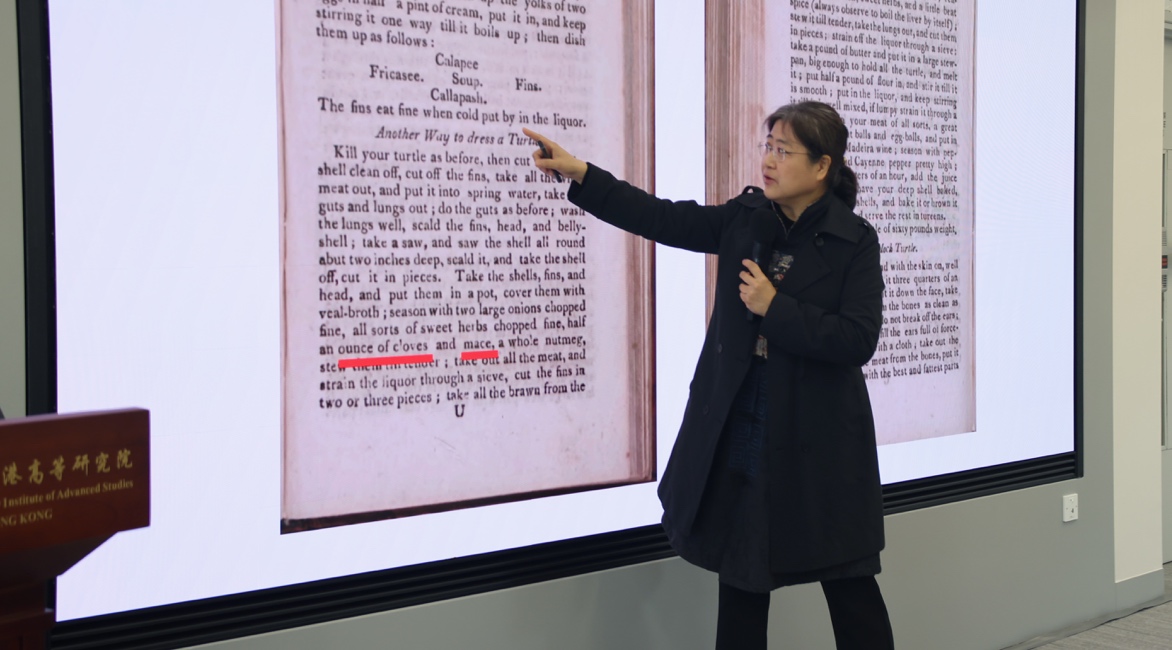
City U ProfessorMay Bo Ching Delivering the Keynote Lecture
The documentary screening and discussion session became a highlight of the academic exchange.Metamorphosis of the Bay Areadocuments the lived experiences of fishing communities and other maritime groups who continue to preserve traditions amid modernization, portraying the coexistence of humans and nature, tradition and modernity. Following the screening, Professor Liu Zhiwei, Professor May Bo Ching, and the documentary’s chief director Ding Cheng engaged in in-depth discussions with participants, focusing on narrative perspectives, fieldwork challenges, and social transformations in the Greater Bay Area.

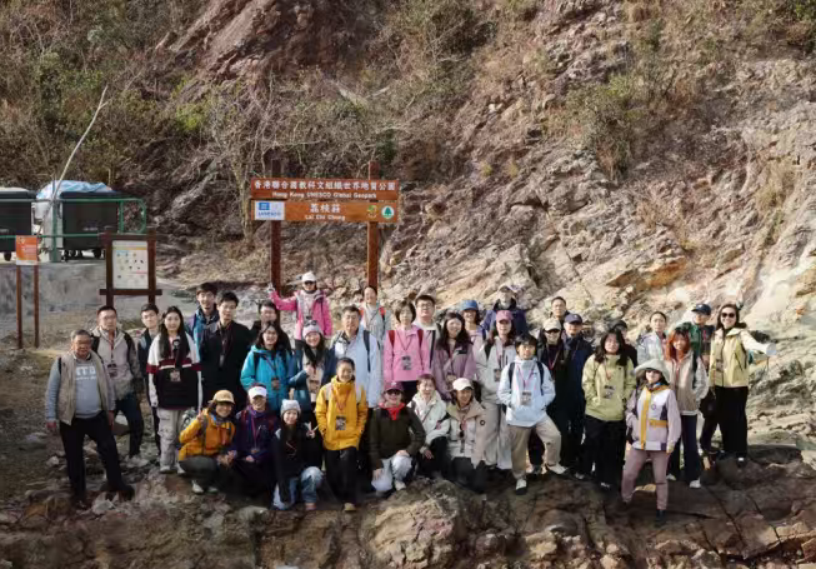
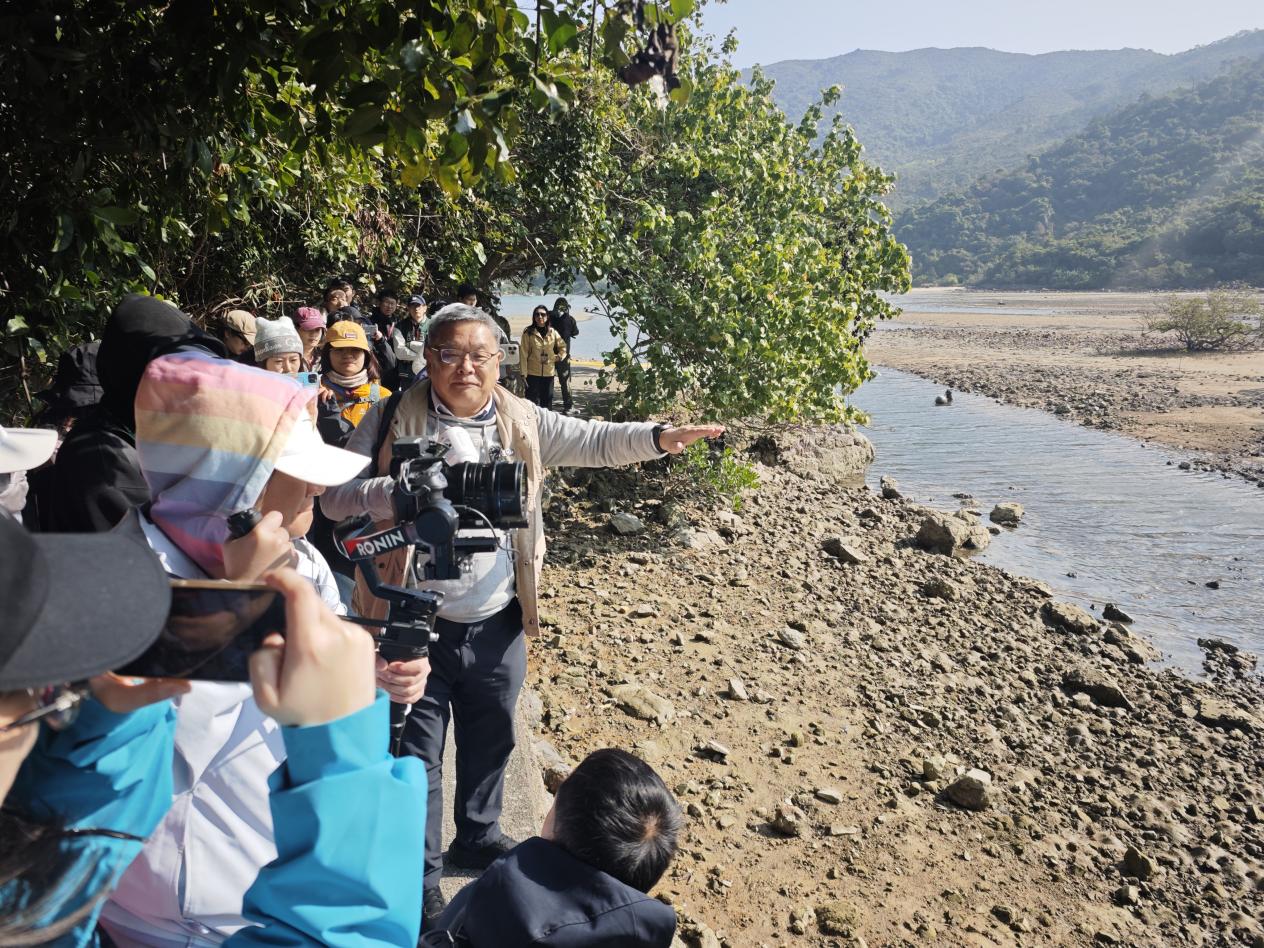
During the field trip, participants conducted on-site research at the Hong Kong UNESCO Global Geopark. They examined distinctive sedimentary rock formations and experienced the ecological beauty of landscapes where mountains and seas converge. The group also visited the former Transportation Headquarters ofthe East River Column and the Hong Kong–Kowloon Independent Brigade, integrating historical memory into natural exploration.Professor Liu Zhiwei noted that Hong Kong maintains close connections with other cities in the Greater Bay Area, and that cross-regional field research helps deepen an integrated understanding of the region’s ecology and history.
Sun Yat-sen University Institute of Advanced Studies Hong Kong prioritizes three major areas: biomedical sciences, applied mathematics, and interdisciplinary humanities and social sciences. The Winter School exemplifies the Institute’s concrete efforts to promote interdisciplinary innovation in the humanities and social sciences and to cultivate high-level talent.Through cross-disciplinary academic exchange and field research, the participants broadened their scholarly perspectives and deepened their multifaceted understanding of the Greater Bay Area’s ecology, history, and culture. As an important outcome of close collaboration between mainland universities and Hong Kong, the successful hosting of this Winter School provides a vivid example of higher education cooperation in the Guangdong–Hong Kong–Macao Greater Bay Area.