Focusing on New Pathways for China–Africa Cooperation and Charting a New DevelopmentBlueprint — Sun Yat-sen University Institute of Advanced Studies Hong Kong Successfully Hosts Salon on“China–Africa Cooperation and Development”
On January 15, 2026, the “China–Africa Cooperation and Development” Salon, hosted by Sun Yat-sen University Institute of Advanced Studies Hong Kong (SYSUIASHK), was successfully held at the Institute. The event aimed to build a bridge for China–Africa exchanges and explore new pathways for practical cooperation. Representatives from academia, business, and social organizations from Morocco, Hong Kong, and mainland China gathered to participate.Participants engaged in in-depth discussions on cooperation opportunities and practical approaches across multiple areas, including trade and investment, healthcare, talent development, and energy innovation, contributing intellectual momentum to advancing high-quality China–Africa cooperation.
Dean Xu Anlong of SYSUIASHK delivered the opening remarks. He noted that China and Africa share a long-standing and profound traditional friendship. At a time when globalization faces headwinds and development challenges are intensifying, deepening cooperation across multiple sectors not only serves the shared interests of both sides but also represents an important step in promoting coordinated development among Global South countries.Dean Xu emphasized that SYSUIASHK is committed to building cross-regional and interdisciplinary exchange platforms. Through this salon, the Institute seeks to bring together collective wisdom and provide practical solutions and academic support for the sustained deepening of China–Africa cooperation.
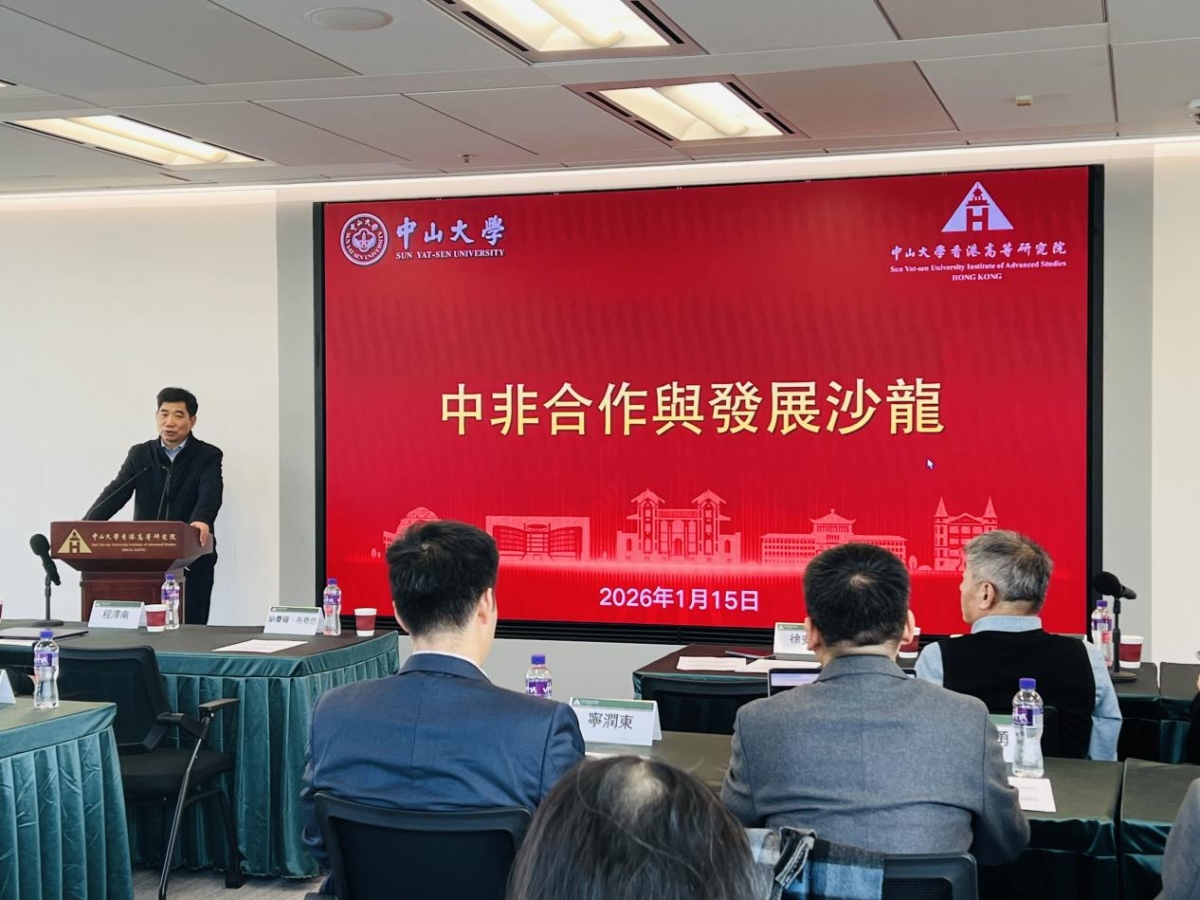
Dean Xu Anlong Delivering Opening Remarks
Theexperience-sharing session in the morningwas hostedby Professor Xia Ying, Director of the Center for African Studies. Several speakers shared vivid case studies and insights based on their practical experience and research.
Dr. Nasser Bouchiba, President of the Africa-China Cooperation Association for Development (ACCAD), focused on the synergistic effects between the Belt and Road Initiativeand the Atlantic Initiative. He analyzed the high degree of alignment between the two initiatives in connectivity and co-construction, co-governance, and shared benefits, and offered targeted recommendations on cultivating internationally oriented talent, providing new perspectives for improving regional cooperation mechanisms between China and Africa.
Mr. Wei Xiaolin, Co-founder of Cherami Investment Group and Chairman of the Investment Committee of Cherami Chentu, delivered a presentation titled Three Stories, One Dream. He shared the journey and investment practices of Cherami in Africa, illustrating the responsibility and commitment of Chinese enterprises in the African market.
Mr. Chan Long-yin, President of the Hong Kong Youth Entrepreneurship Association, shared insights on the sustainable development and utilization of Africa’s mineral resources. He explored how technological innovation and compliant operations can achieve mutually beneficial outcomes for resource development and local development.
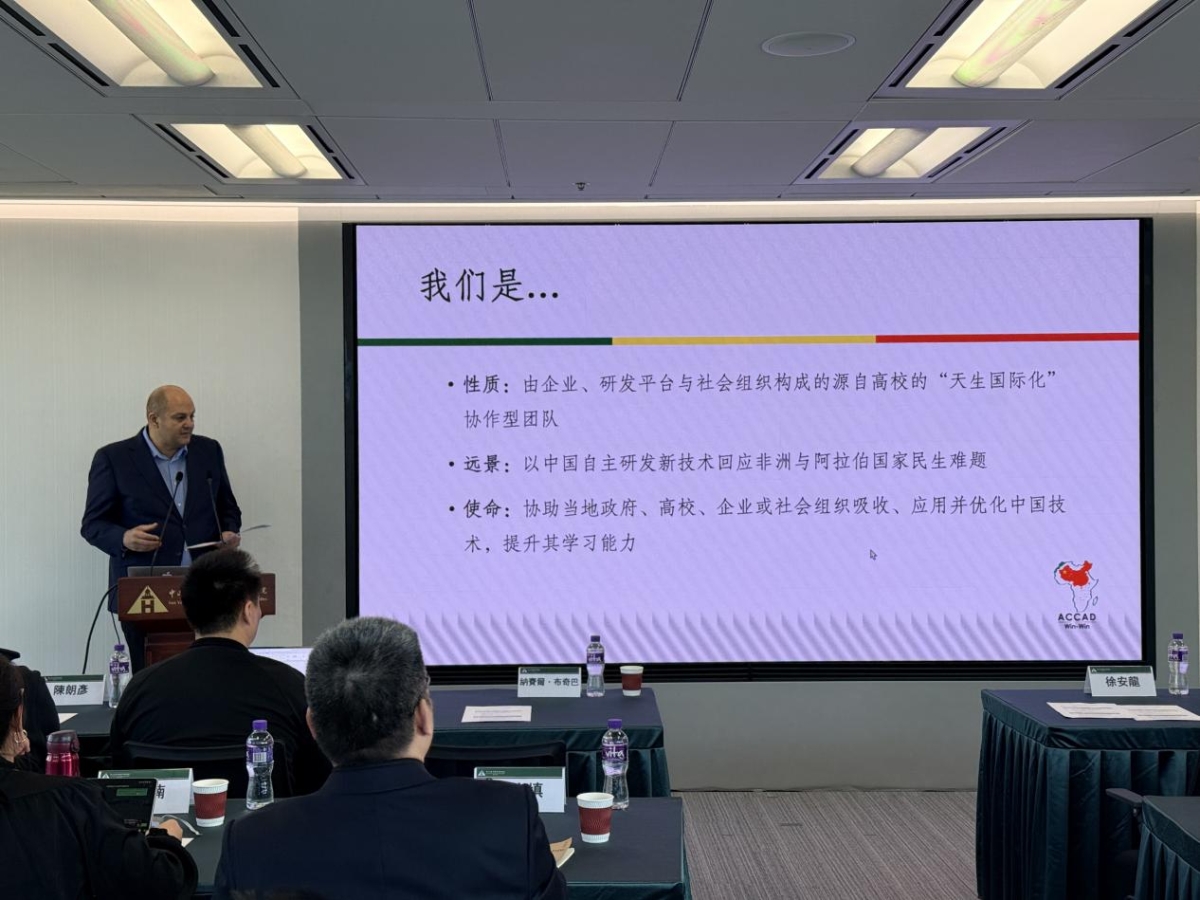
President Nasser Bouchiba Sharing His Insights
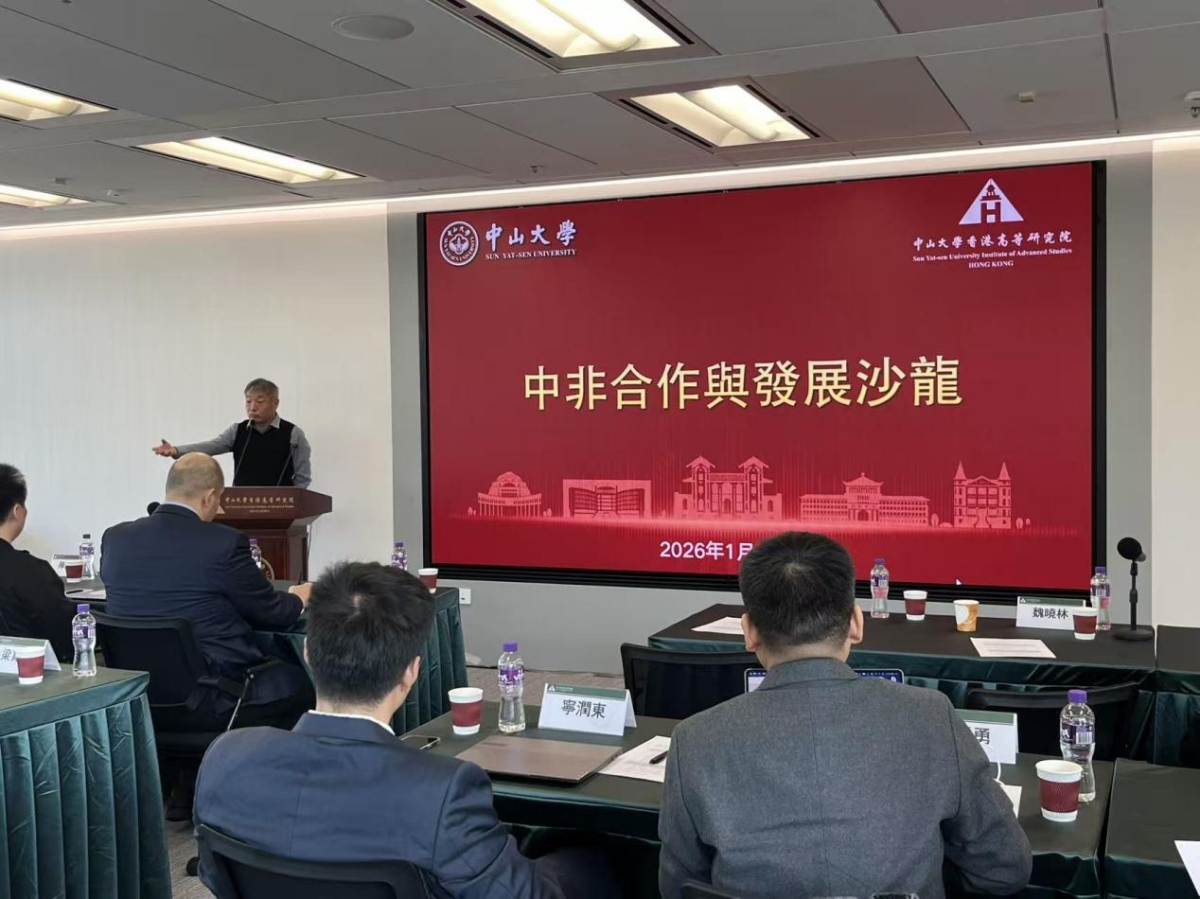
Chairman Wei Xiaolin Sharing His Insights
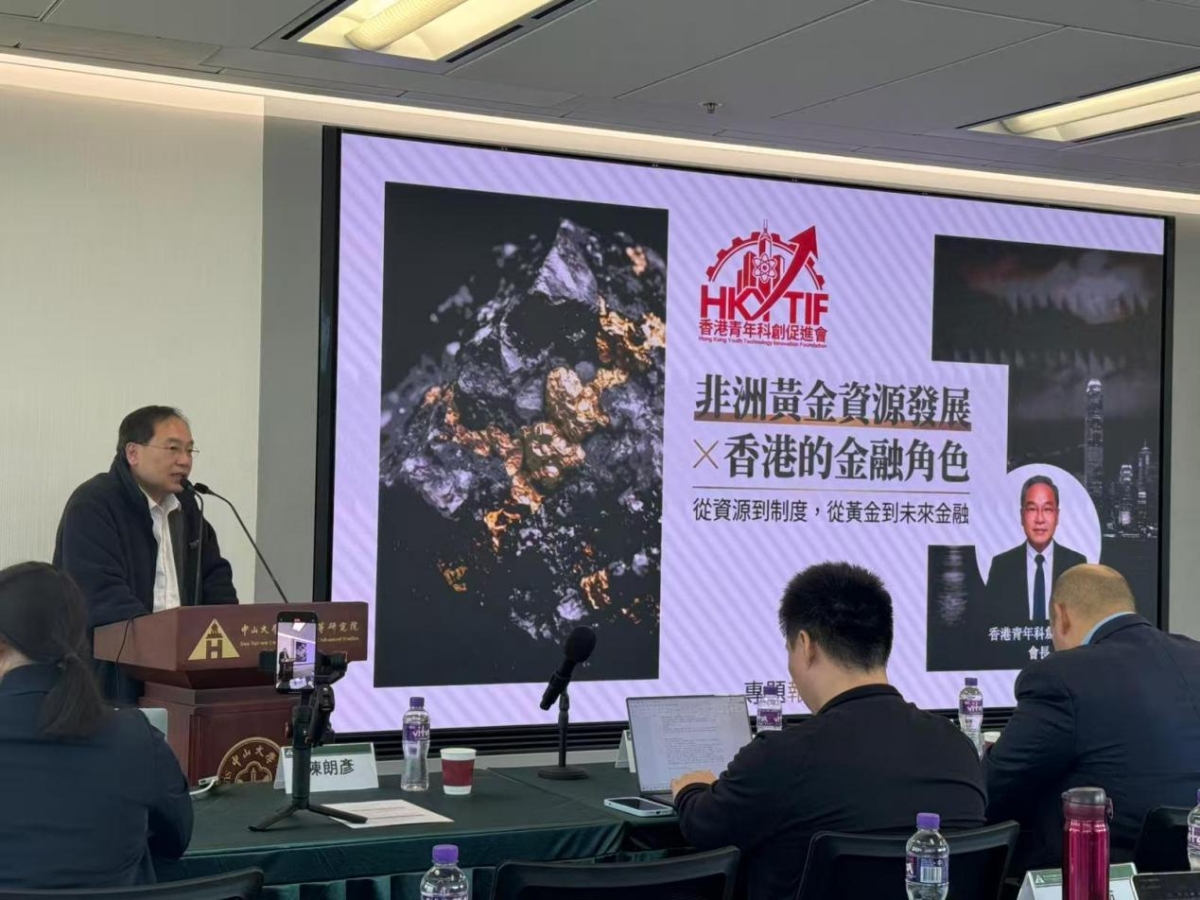
PresidentChan Long-yinSharing His Insights
In the field of livelihood cooperation, Associate Professor Xiao Wei from the Industrialization Group of Zhongshan Ophthalmic Center of Sun Yat-sen University, presented a themed session titled The “Path of Light” Initiative for China–Africa Eye Health Partnership. She introduced the Center’s efforts to promote ophthalmic medical technologies and provide medical assistance in Africa, and proposed enhancing Africa’s eye health capacity through a three-tier diagnosis and treatment system and the promotion of intelligent diagnostic technologies.
Mr. Cheng Zenan, Senior Project Manager of the Rural Development Lab of Tencent Sustainable Social Value (SSV), shared practical experience and reflections on applying digital technologies to cultivate youth rural CEOs. He introduced how Tencent SSV uses digital tools to stimulate endogenous rural development and noted that the organization is exploring the expansion of this model to Africa to inject digital momentum into rural revitalization.
During the subsequent discussion session, participants engaged in lively exchanges on talent development, technology transfer, and resource development in Africa, generating many constructive ideas.
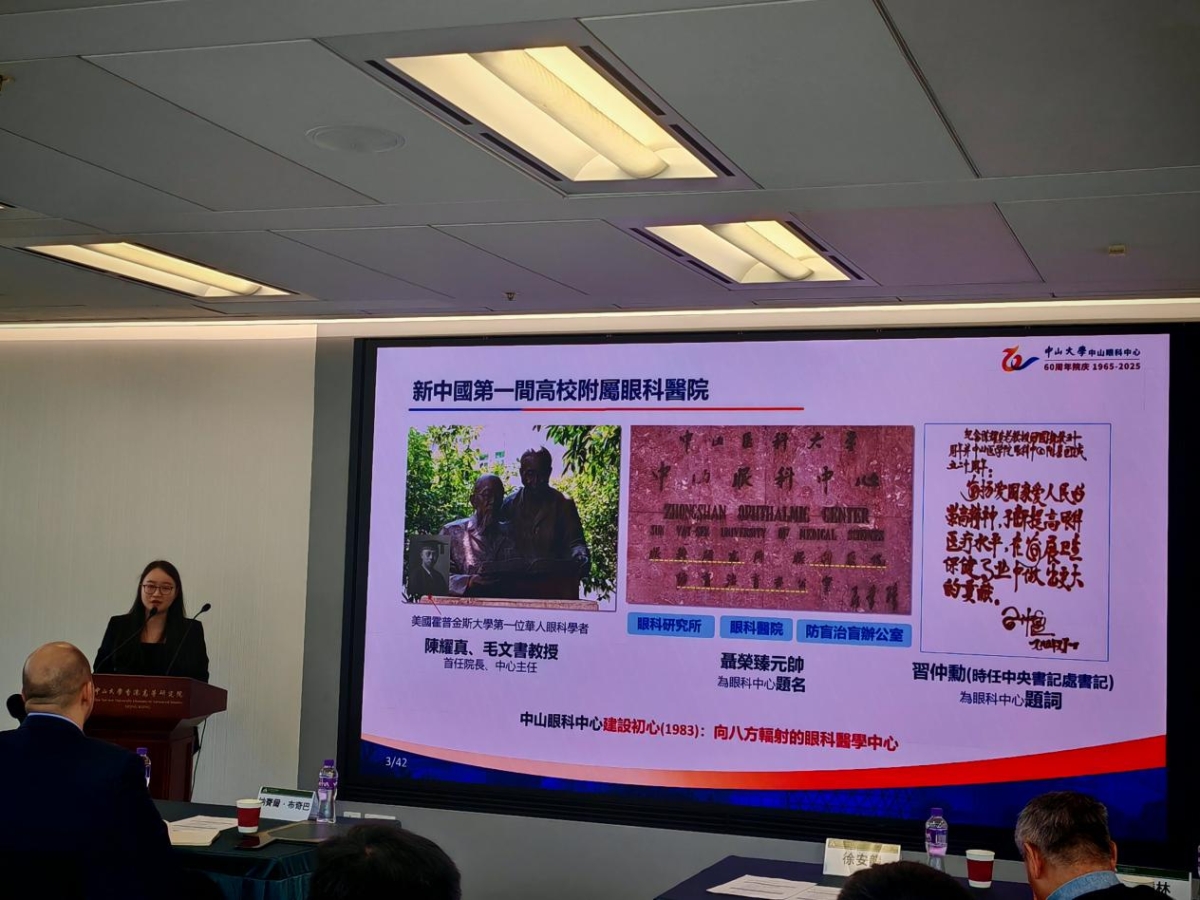
Associate Professor Xiao Wei Sharing Her Insights
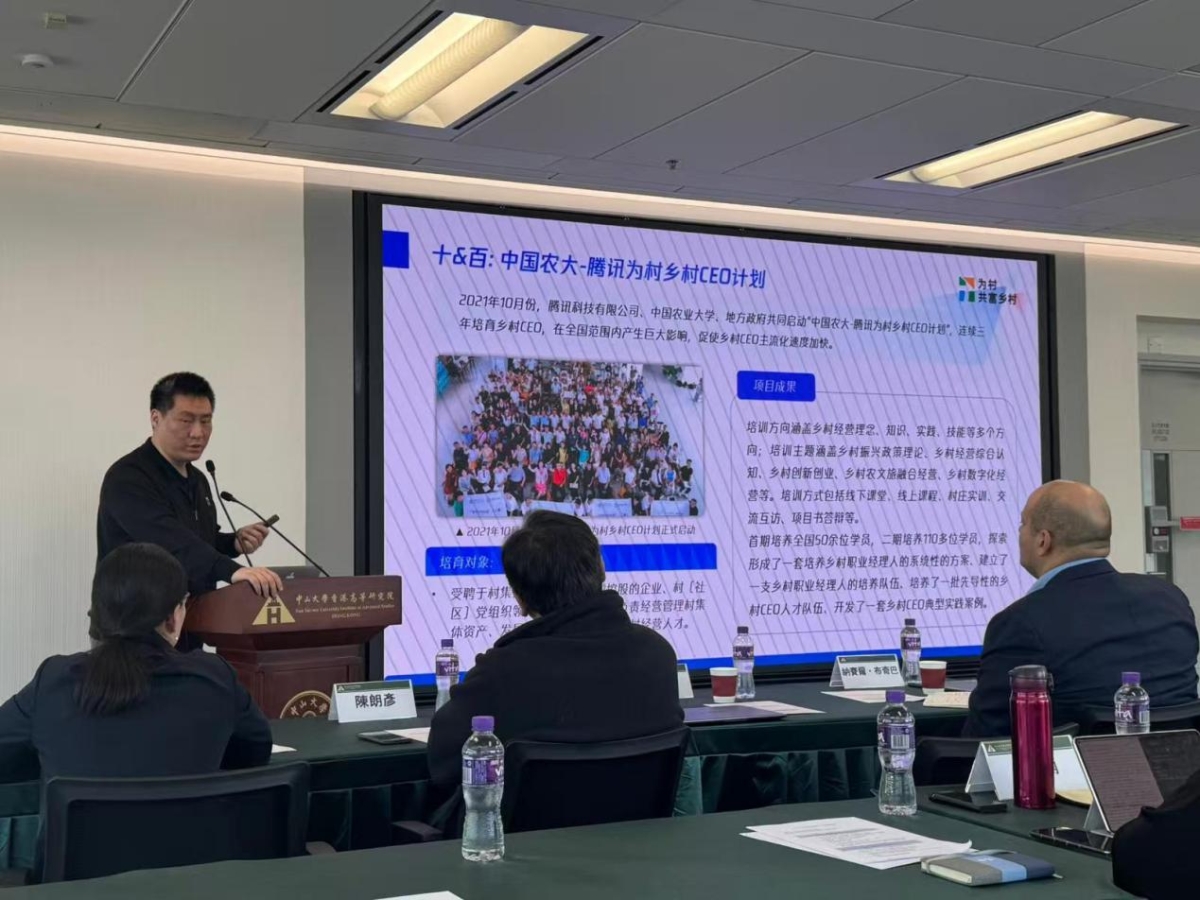
Senior Manager Cheng Zenan Sharing His Insights
The afternoon academic seminar session was hosted by Dr. Liu Yu, Young Scientist of the Interdisciplinary Research Center for Humanities and Social Sciences at SYSUIASHK. The session focused on frontier academic issues and deeper developmental dynamics in China–Africa cooperation, providing theoretical support for practical collaboration.Multiple thematic presentations were organized, covering topics such as short-video communication and the construction of Africa’s image, innovation in Chinese enterprises’ overseas expansion models, competition over critical mineral resources, new energy cooperation, and international aid networks.
Dr. Ning Rundong, Postdoctoral Fellow at the Hong Kong Institute for Humanities and Social Sciences of The University of Hong Kong, presented Marketing Africa: Knowledge Production by Chinese Merchants on Africa through Short-Video Platforms, exploring new forms and pathways of people-to-people exchange in the digital media era.
Professor Li Xiaoying, Associate Dean of the Guangdong–Hong Kong–Macao Development Research Institute of Sun Yat-sen University, examined the “Two Countries, Twin Parks” model, offering a practical reference for Chinese enterprises expanding into Africa.
Professor Liang Yutian, Associate Dean of the School of Geography and Planning and the Institute of Area Studies of Sun Yat-sen University, analyzed emerging trends and potential risks in Chinese enterprises’ expansion into Africa and proposed targeted risk mitigation strategies.
In addition, scholars including Associate Professor Qin Shengyong and Assistant Professor Luo Nan conducted in-depth discussions on topics such as geopolitical competition among China, the United States, and Russia over Africa’s critical mineral resources, the feasibility of China’s “small but beautiful” solutions in Africa’s solar energy transition, and local NGO networks in U.S. aid to Africa.
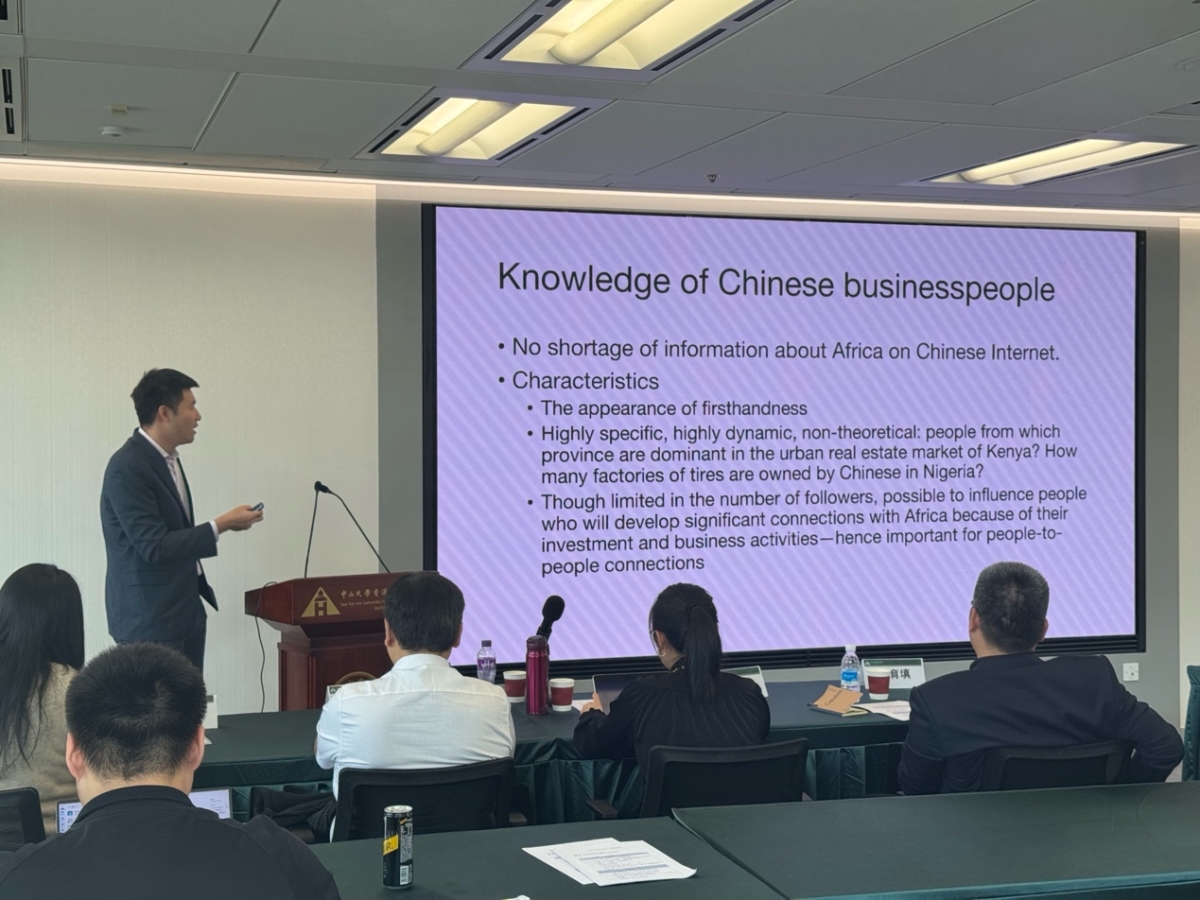
Postdoctoral Fellow Ning Rundong Sharing His Insights
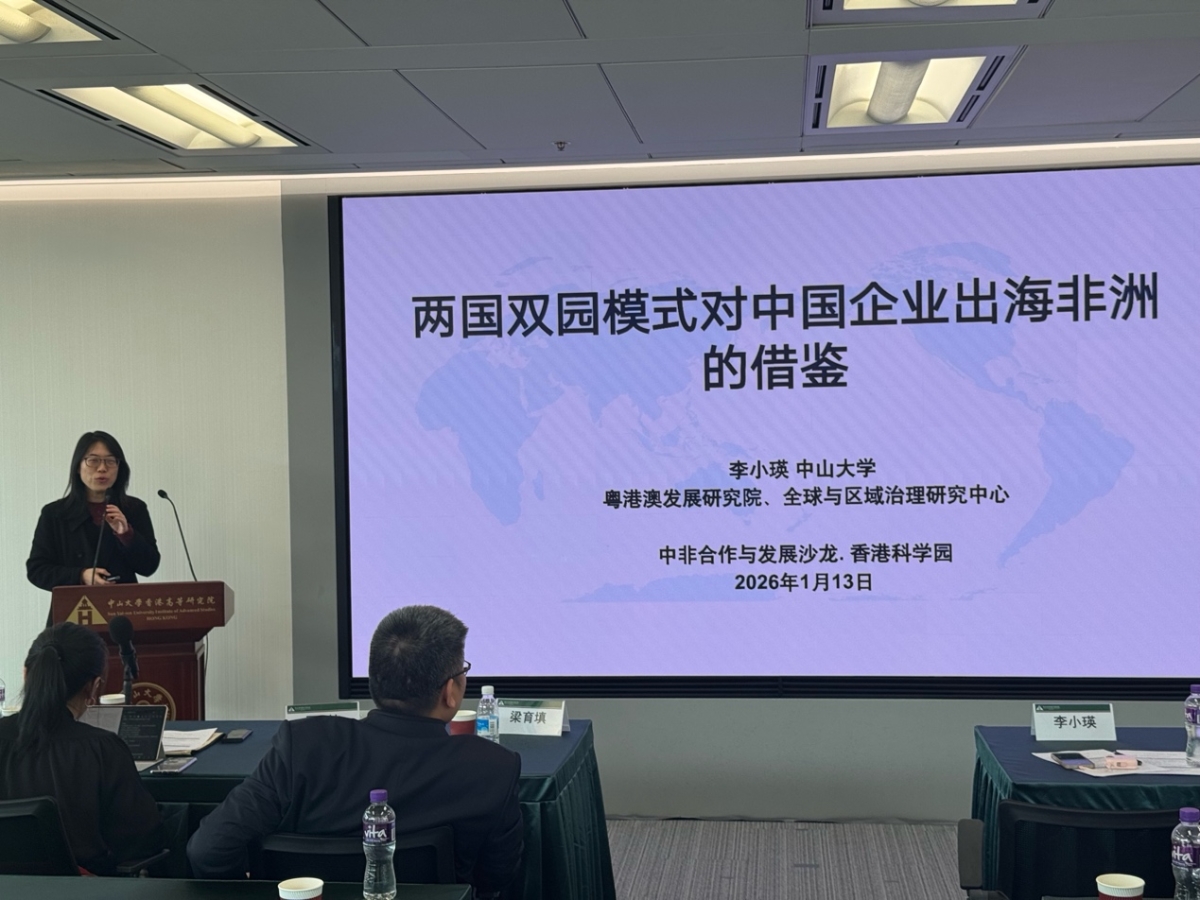
Professor Li Xiaoying Sharing Her Insights
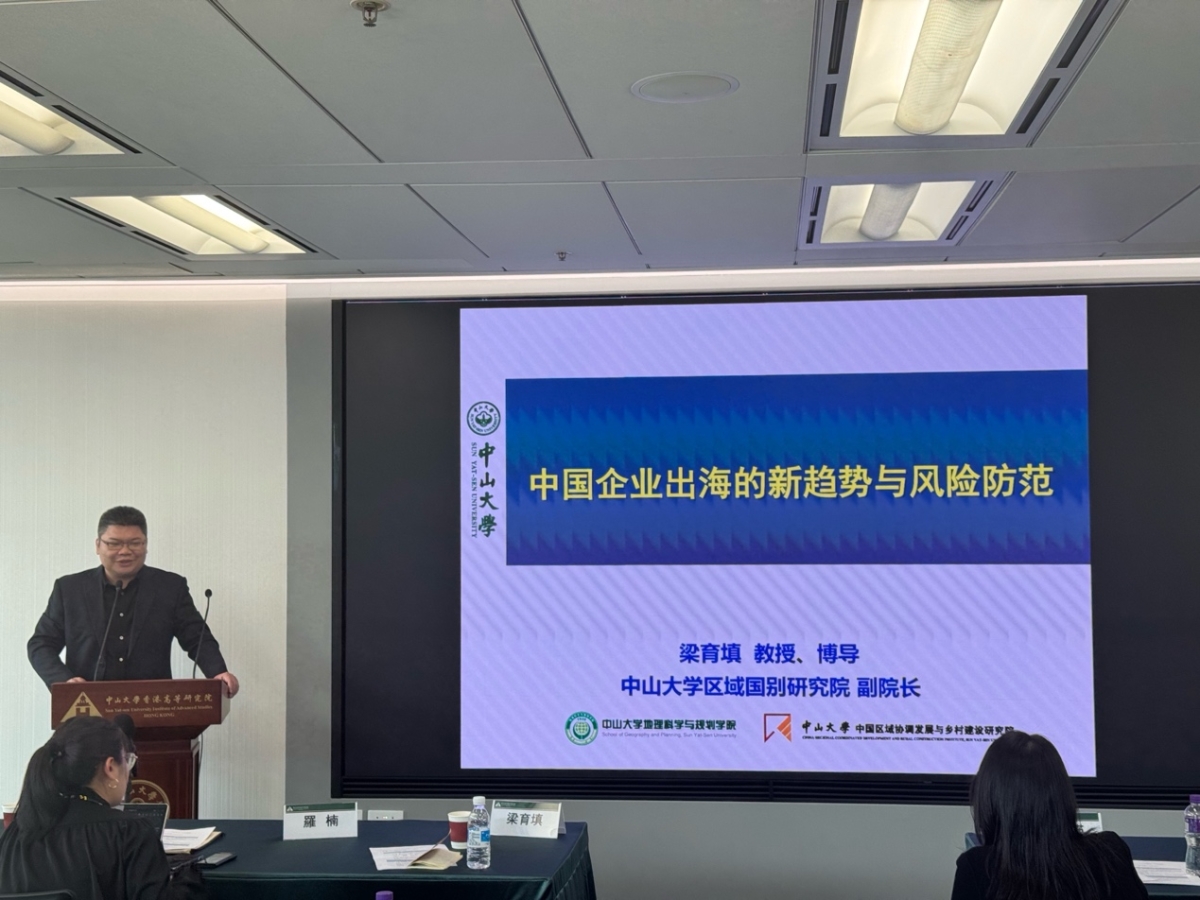
Associate Professor Liang Yutian Sharing His Insights
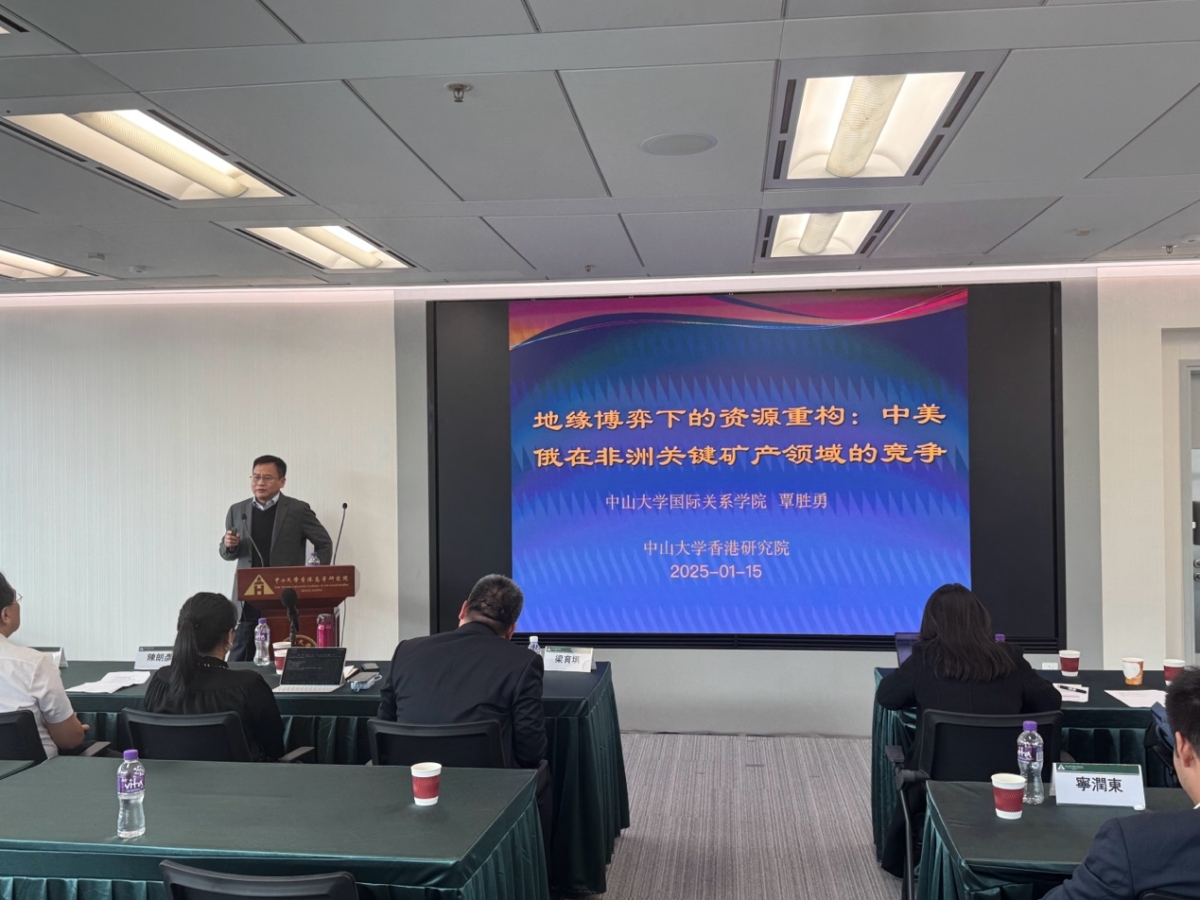
Associate Professor Qin Shengyong Sharing His Insights
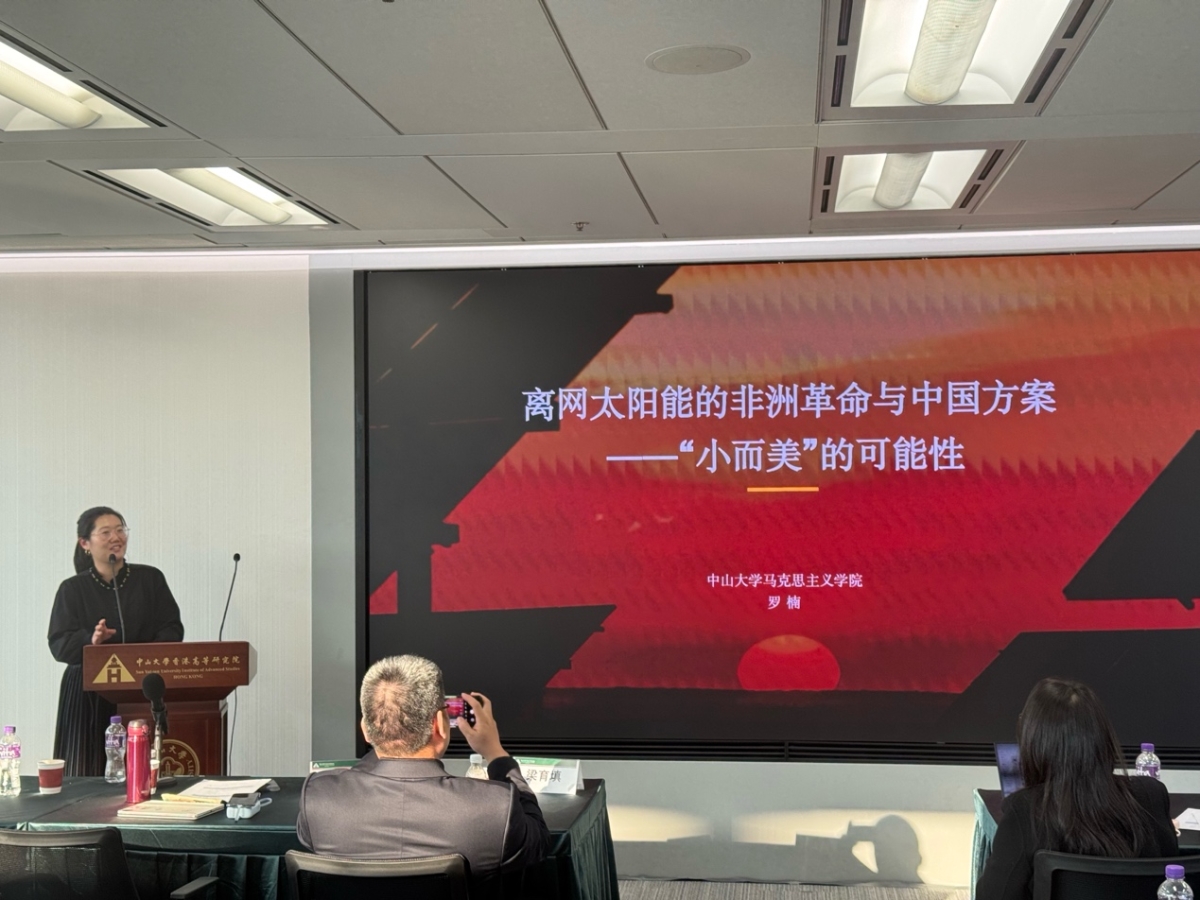
Assistant Professor Luo Nan Sharing Her Insights
During the open discussion session, participants exchanged views on integrating academic research with practical application, cultural adaptability in China–Africa cooperation, and emerging opportunities for cooperation under evolving global governance structures. The discussions generated a range of valuable academic insights and practical ideas. In her concluding remarks, Professor Xia Ying noted that the afternoon academic seminar provided stronger theoretical support and broader analytical perspectives for China–Africa cooperation. She stated that the outcomes of the discussions will be systematically compiled to provide intellectual support for policy development and practical implementation in China–Africa cooperation.
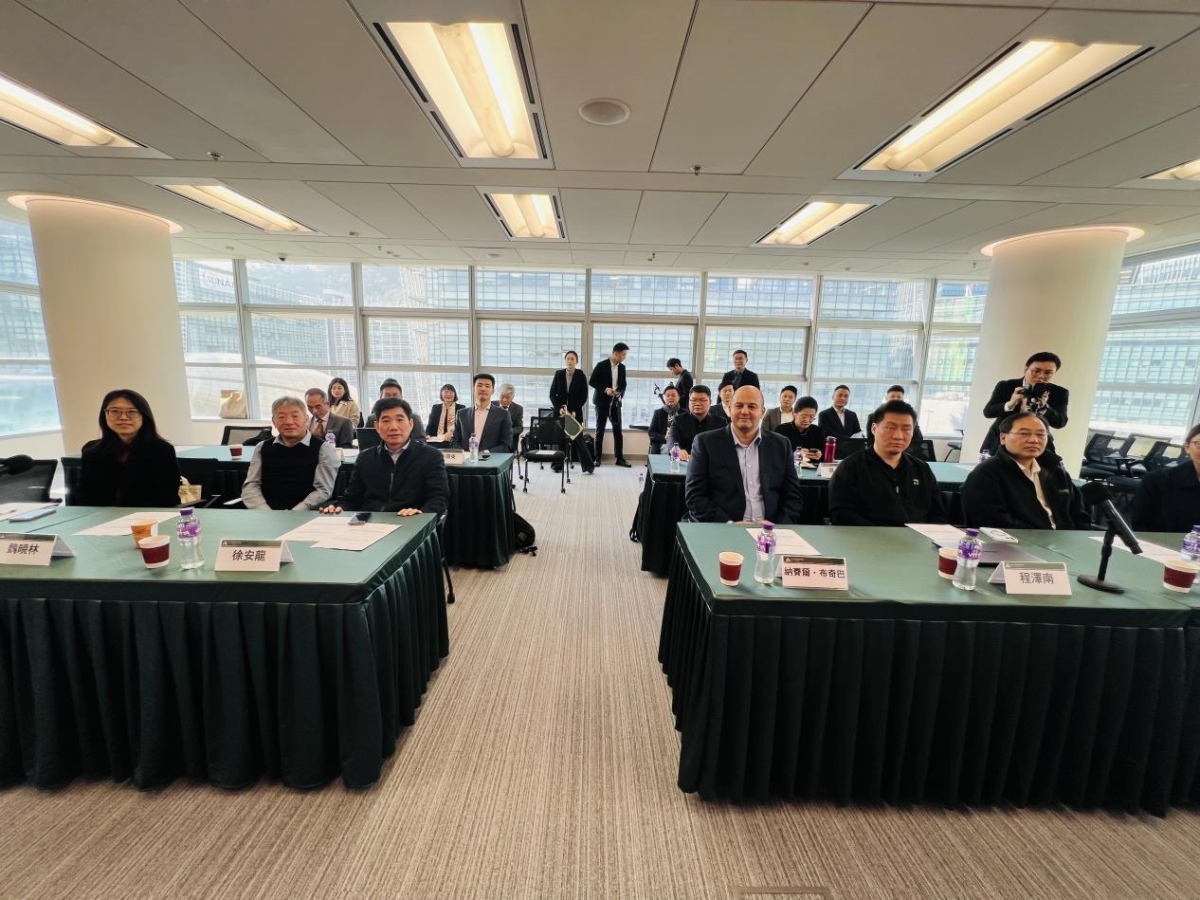
Group Photo of Participants
The successful hosting of the “China–Africa Cooperation and Development” salon established an important platform for dialogue and collaboration among stakeholders from China and Africa. The event not only shared valuable practical experiences but also deepened academic understanding of the underlying dynamics of China–Africa cooperation.
Sun Yat-sen University Institute of Advanced Studies Hong Kong will continue to leverage its platform advantages, integrate high-quality resources from within and beyond the University and across regions, and further promote cooperation between China and Africa in trade, technology, education, healthcare, and other fields—contributing wisdom and strength to building a closer China–Africa community with a shared future.