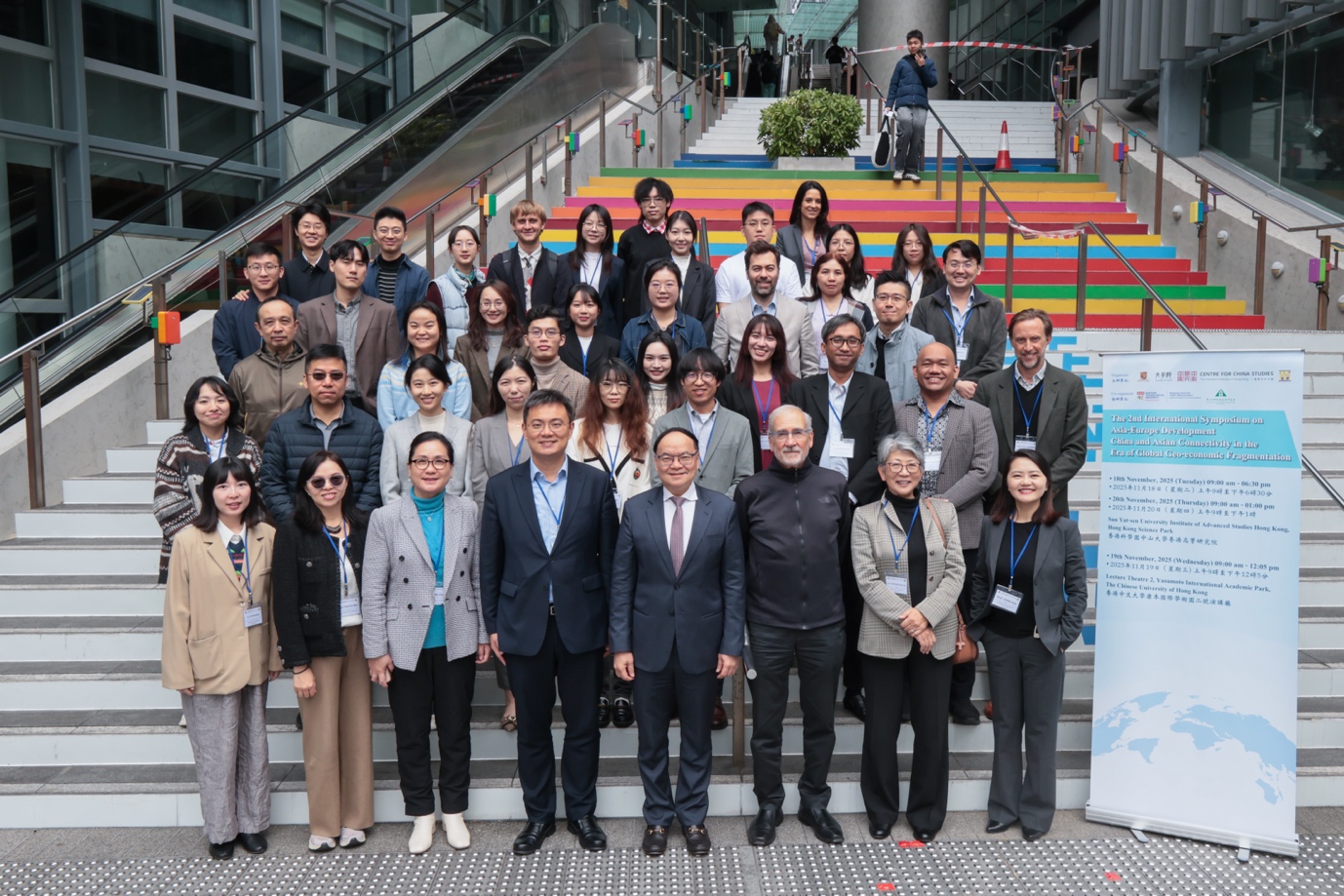
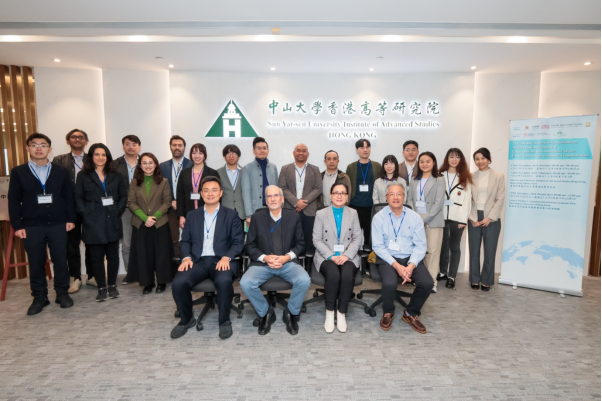
The Second International Symposium on Asia–Europe Development Successfully Held
From November 18 to 20, the Second International Symposium on Asia–Europe Development was held at the Sun Yat-sen University Institute of Advanced Studies Hong Kong and the Centre for China Studies, Faculty of Arts, The Chinese University of Hong Kong.
The symposium brought together renowned scholars from more than 20 leading universities and research institutions worldwide. Through a hybrid online–offline format, participants shared an intensive exchange of ideas. The conference not only established a high-level, international platform for academic dialogue in the Guangdong–Hong Kong–Macao Greater Bay Area, but also injected new momentum into sustained cooperation on high-quality development across the Asia–Europe region.
The symposium was hosted by the Centre for China Studies, Faculty of Arts, The Chinese University of Hong Kong, and co-organized by the Nanyang Centre for Public Administration, Nanyang Technological University, and theResearch Center for Global and Regional Governance, Sun Yat-sen University Institute of Advanced Studies Hong Kong.
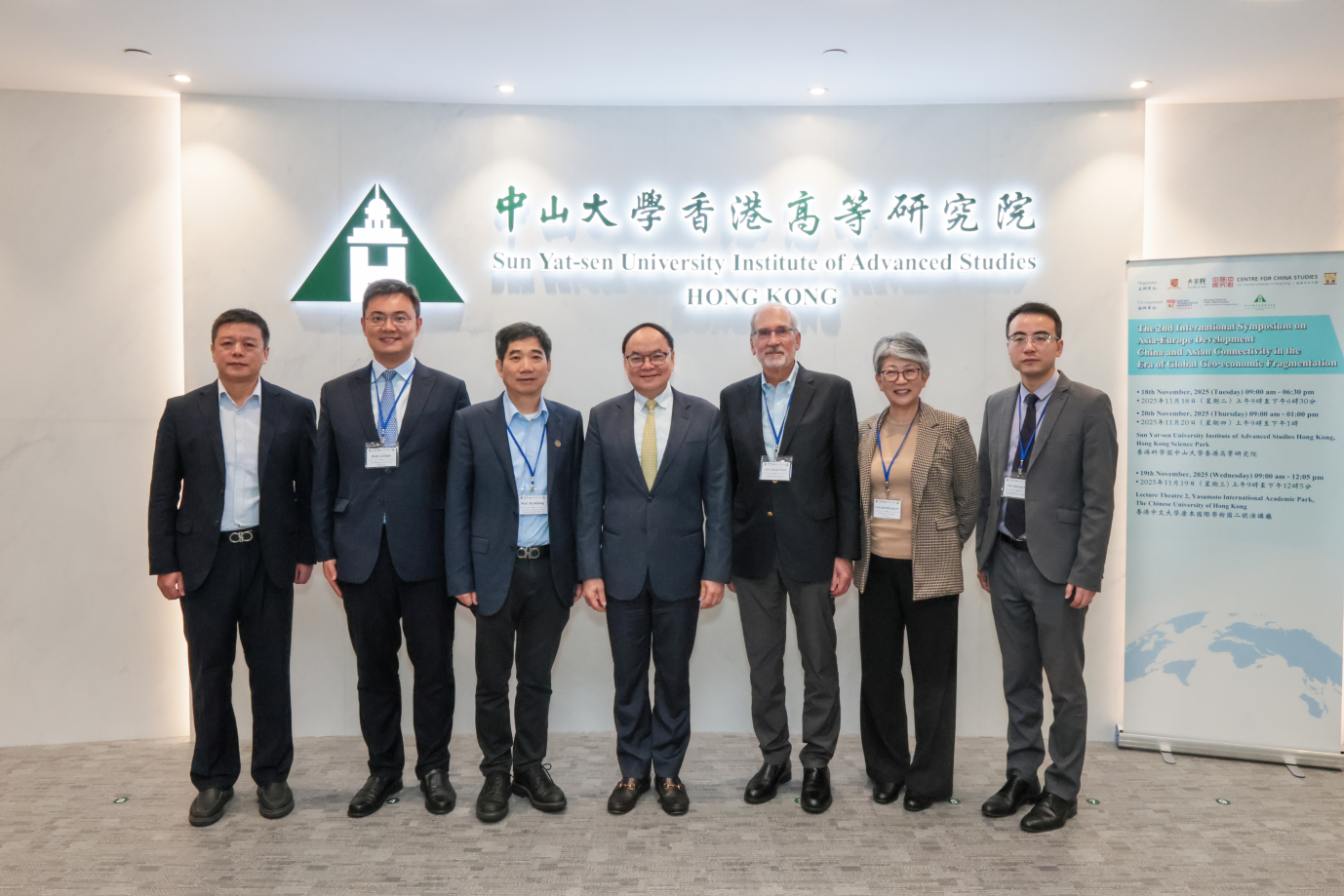
At the opening of the symposium, Professor Li Chen,Associate Director of the Centre for China Studies, Faculty of Arts, The Chinese University of Hong Kong, presided over the opening ceremony. He noted that the Centre is committed to advancing research and teaching on contemporary China in a global context.At a critical juncture marked by structural shifts in the global geo-economy, the symposium adopted the theme “China and Asian Connectivity in an Era of Geo-economic Fragmentation”, aiming to bring together multicultural and interdisciplinary perspectives to promote dialogue and mutual understanding. He emphasized the unique hub roles of cities such as Hong Kong, Singapore, and Guangzhou in facilitating academic and commercial exchanges between Asia and Europe.
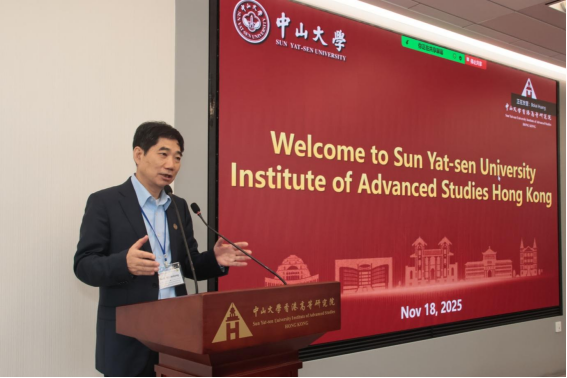
In Dean of Sun Yat-sen University Institute of Advanced Studies Hong Kong, Professor Xu Anlong’s opening remarks, he stated that Hong Kong serves as China’s “super-connector” to the world, and that the establishment of the Institute aims to build a world-class international academic platform.He highlighted that the Institute will focus on three frontier areas: biomedical sciences, applied mathematics, and interdisciplinary humanities and social sciences. In particular, in the humanities and social sciences, the Institute will leverage Hong Kong’s unique environment—characterized by free access to global research resources and open academic dialogue—to conduct comparative policy studies based on large-scale medical data, as well as explorations in cutting-edge fields such as the digital economy. Dean Xu warmly invited outstanding scholars from around the world to join in transforming Hong Kong’s institutional advantages into academic strengths, and affirmed the symposium’s far-reaching significance in advancing Asia–Europe connectivity.
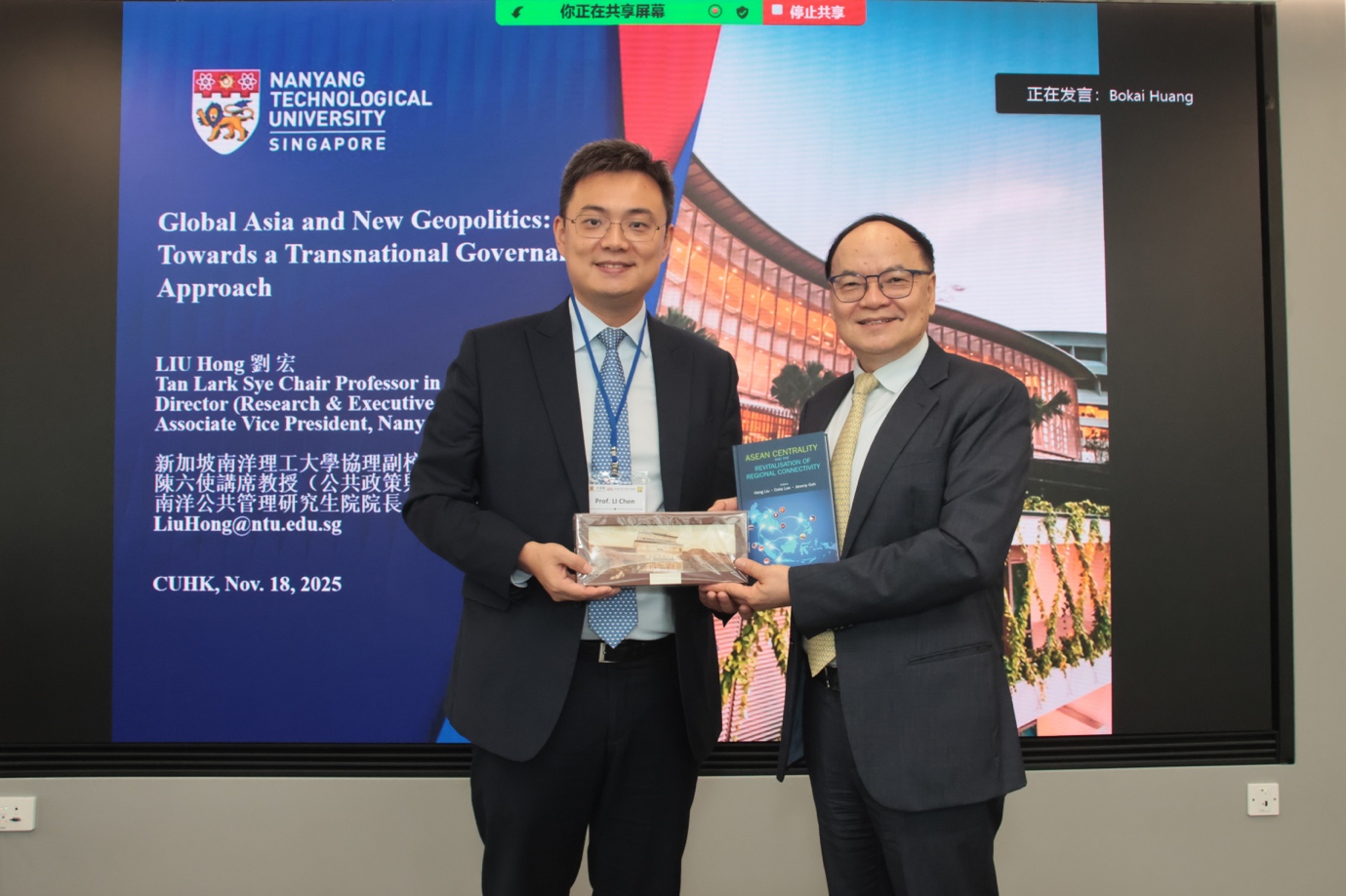
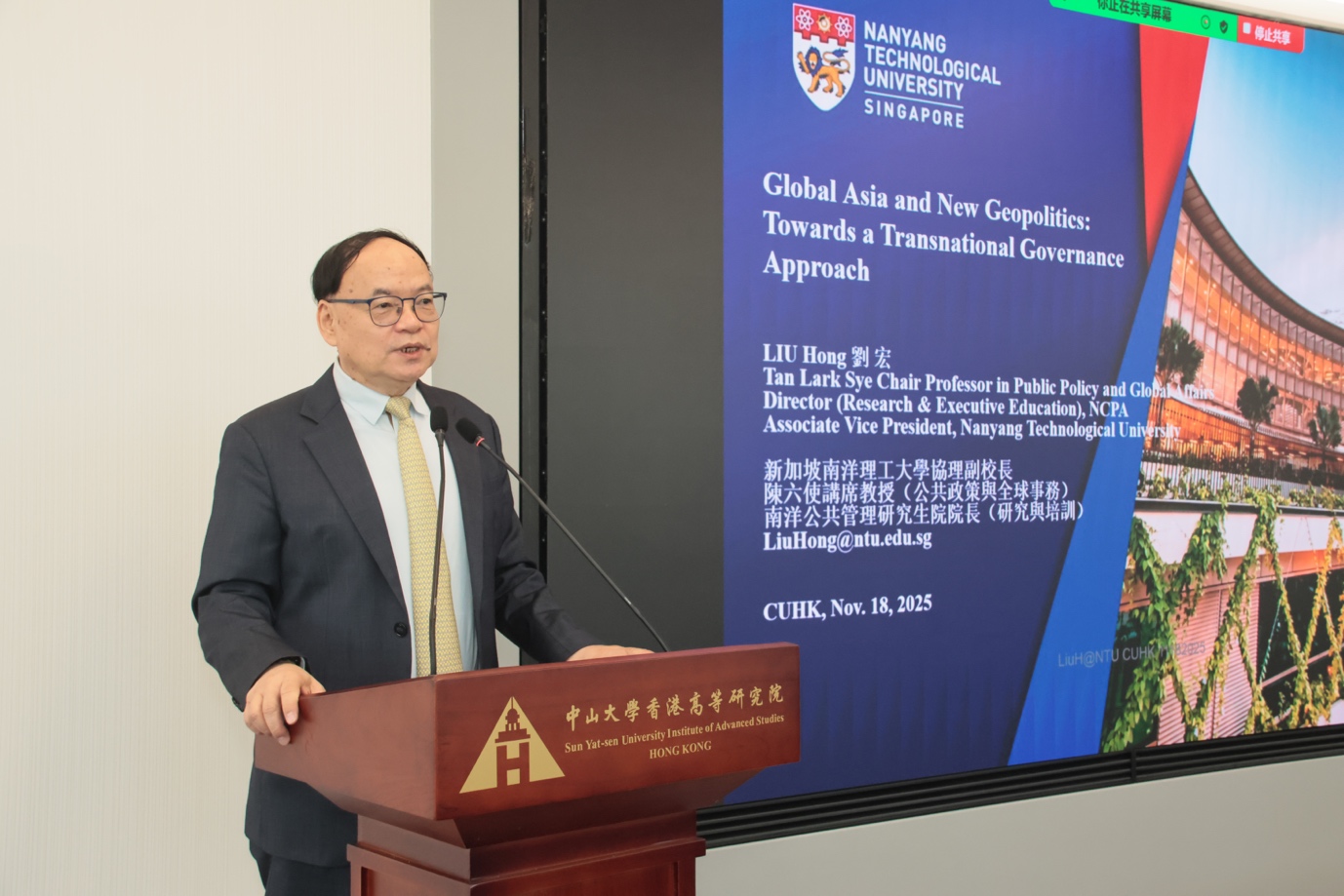
Professor Liu Hong, Associate Vice President of Nanyang Technological University and Director (Research and Executive Education) of the Nanyang Centre for Public Administration (NCPA), delivered welcome remarks and presented the first keynote speech. NCPA is one of Asia’s leading graduate schools of public administration, dedicated to cultivating the next generation of public sector leaders in Asia while striving to develop into a world-class academic institution centered on public administration education and research. In his keynote titled “Global Asia and New Geopolitics,” Professor Liu reviewed Asia’s rise and the characteristics of Global Asia studies from multiple perspectives. He explored in depth the significance and contributions of Global Asia research to the development of social science theory, as well as the impact of new geopolitics on Asia’s future. He also elaborated on the importance of understanding Global Asia and connectivity from a transnational perspective.
In addition, keynote speeches were delivered by Professor Michael Zeng Jinghan from the Department of Public and International Affairs, City University of Hong Kong; Professor Henry Yeung Wai-Chung from the Department of Geography and Resource Management, The Chinese University of Hong Kong; Professor Louis W. Pauly, J. Stefan Dupré Distinguished Professor of Political Economy at the Department of Political Science, University of Toronto; Professor Saori N. Katada from theDepartment of Political Science and International Relations, University of Southern California; and Professor Yang Chun, Associate Dean (Research) of the Faculty of Arts and Social Sciences, Hong Kong Baptist University.
Over the three-day symposium, participants engaged in in-depth discussions on the core theme of “China and Asian Connectivity in an Era of Global Geo-economic Fragmentation”. Topics covered a wide range of frontier areas, including macro geo-strategies, economic policy coordination and responses, the “Belt and Road” Initiative and case studies, technological and industrial competition, and financial and monetary connectivity. Through a combination of “keynote speeches and thematic panels”, experts and scholars conducted deep analyses and intellectual exchanges on key issues such as Asia’s connectivity reshaping amid global changes, China’s evolving role, and competition and cooperation in emerging industries including semiconductors and the digital economy.
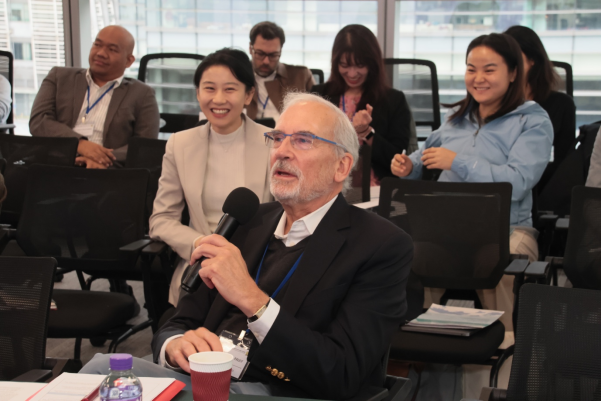
Throughout the conference, discussions were vibrant, with active questioning and frequent interactions among participants. Even during breaks, attendees continued exchanging viewpoints and debating case studies around the speakers’ presentations, fully demonstrating the academic community’s strong engagement with and deep insight into real-world regional development issues.